

Gambling's intriguing journey A historical exploration of gaming evolution
The Origins of Gambling
The history of gambling dates back thousands of years, with evidence suggesting that early civilizations engaged in various forms of betting. Archaeological findings indicate that games of chance were played in ancient China as early as 2300 BC, where rudimentary dice were crafted from bone and ivory. Additionally, ancient Roman and Greek cultures also developed their own versions of gambling, including betting on gladiatorial contests and chariot races. In the modern era, players can enhance their experience with the tower rush app, providing fast-paced excitement and the thrill of winning.
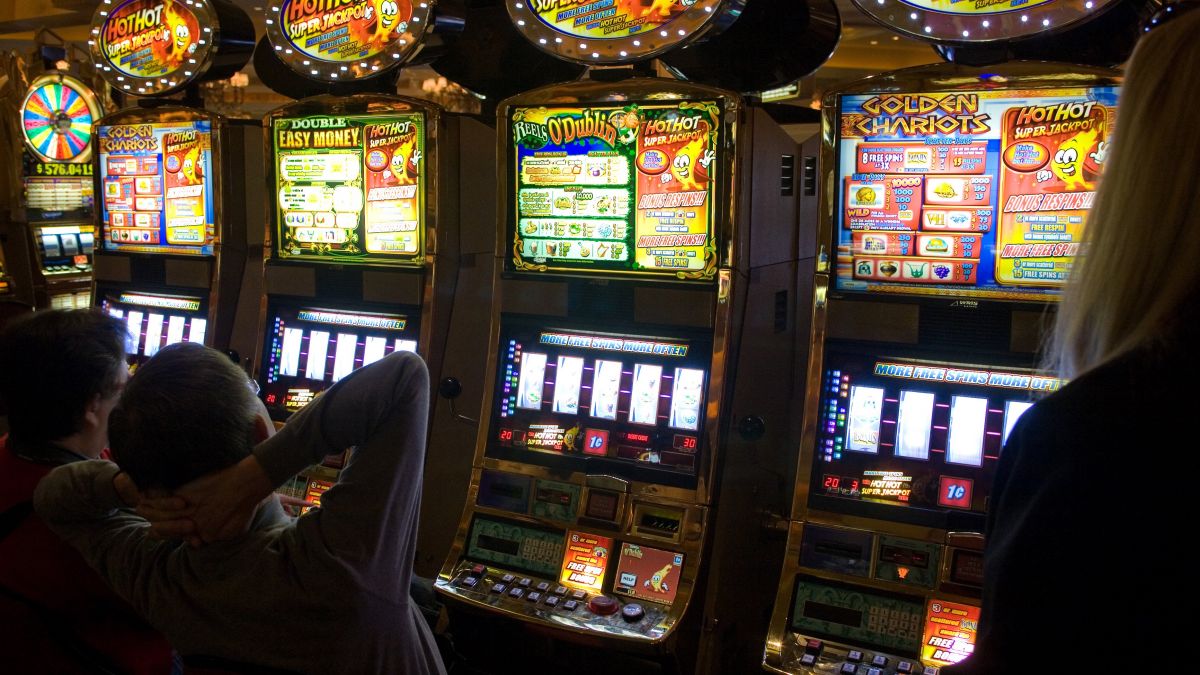
As societies evolved, so did the forms of gambling. The introduction of playing cards in the 9th century, originating from China, marked a significant milestone in the evolution of gaming. By the 14th century, cards had made their way to Europe, where they became incredibly popular and laid the groundwork for modern casino games. This historical timeline illustrates how gambling has been an integral part of human culture, reflecting societal values and traditions.
The Rise of Formal Gambling Institutions
The establishment of formal gambling institutions can be traced back to the 17th century when the first casinos emerged in Italy. The Ridotto, opened in Venice in 1638, was the first legal gambling house, allowing patrons to engage in games of chance under regulated conditions. This innovation set a precedent for gambling establishments worldwide, leading to the proliferation of casinos in Europe and later in America.
As the popularity of gambling grew, so did the need for regulation. Governments began to implement laws to manage gambling activities, ensuring fairness and protecting players. This legal framework allowed casinos to flourish, contributing significantly to local economies and tourism, particularly in places like Las Vegas and Monte Carlo, where gambling became synonymous with entertainment.
The Legal Landscape of Gambling
The legal landscape of gambling has undergone significant transformations throughout history. In the early 20th century, many countries introduced strict regulations and outright bans on gambling, primarily due to concerns about crime and morality. However, as societal attitudes shifted, many regions began to reassess their stance on gambling, recognizing its potential for economic benefits.
In the late 20th century, a wave of deregulation swept across numerous jurisdictions. This led to the legalization of various forms of gambling, including sports betting, lotteries, and online gaming. Today, the legal landscape continues to evolve, with ongoing debates about the implications of gambling on society. As technology advances and online gambling grows, lawmakers are challenged to create balanced regulations that protect consumers while fostering a competitive market.
The Impact of Technology on Gambling
The digital revolution has had a profound impact on the gambling industry, fundamentally altering how games are played and accessed. The advent of the internet in the 1990s allowed for the creation of online casinos, enabling players to enjoy their favorite games from the comfort of their homes. This shift not only expanded the reach of gambling but also diversified the types of games available, catering to a wider audience.
Mobile technology has further transformed the gambling landscape, with smartphones allowing players to gamble on the go. The rise of mobile gaming apps has introduced innovative features, such as live dealer games and virtual reality experiences, enhancing user engagement. As technology continues to advance, the gambling industry must adapt, ensuring that it meets the demands of a modern audience while maintaining responsible gaming practices.

Exploring the Future of Gambling
As we look to the future of gambling, it is clear that the industry will continue to evolve. Emerging technologies like blockchain and artificial intelligence are poised to revolutionize the way gambling operates, promising increased transparency and security. These innovations may also pave the way for new gaming formats and experiences that have yet to be imagined.
Moreover, the growing focus on responsible gambling will shape the future landscape. As awareness about gambling addiction and its effects rises, operators will need to implement more robust measures to promote safe gaming practices. The journey of gambling is far from over; it remains a dynamic field that balances entertainment, technology, and regulation, reflecting the complexities of contemporary society.